
There's something rather satisfying about finding a bargain.
Perhaps it's something you've had your eye on for ages, a lovely new jumper, a useful household item or a Christmas present you've managed to buy at a fraction of the usual price.
And there's absolutely nothing wrong with that.
But with sales, special offers and tempting discounts appearing throughout the year, it's surprisingly easy to find ourselves buying things simply because they're reduced.
And online shopping has made it easier still. A few taps on your phone, and something you hadn't even thought about buying five minutes earlier could be on its way to your front door.
The trouble is, once the excitement of the bargain has worn off, the item still needs somewhere to live.
And sometimes that's where the real challenge begins.
A Little Pause Before You Buy
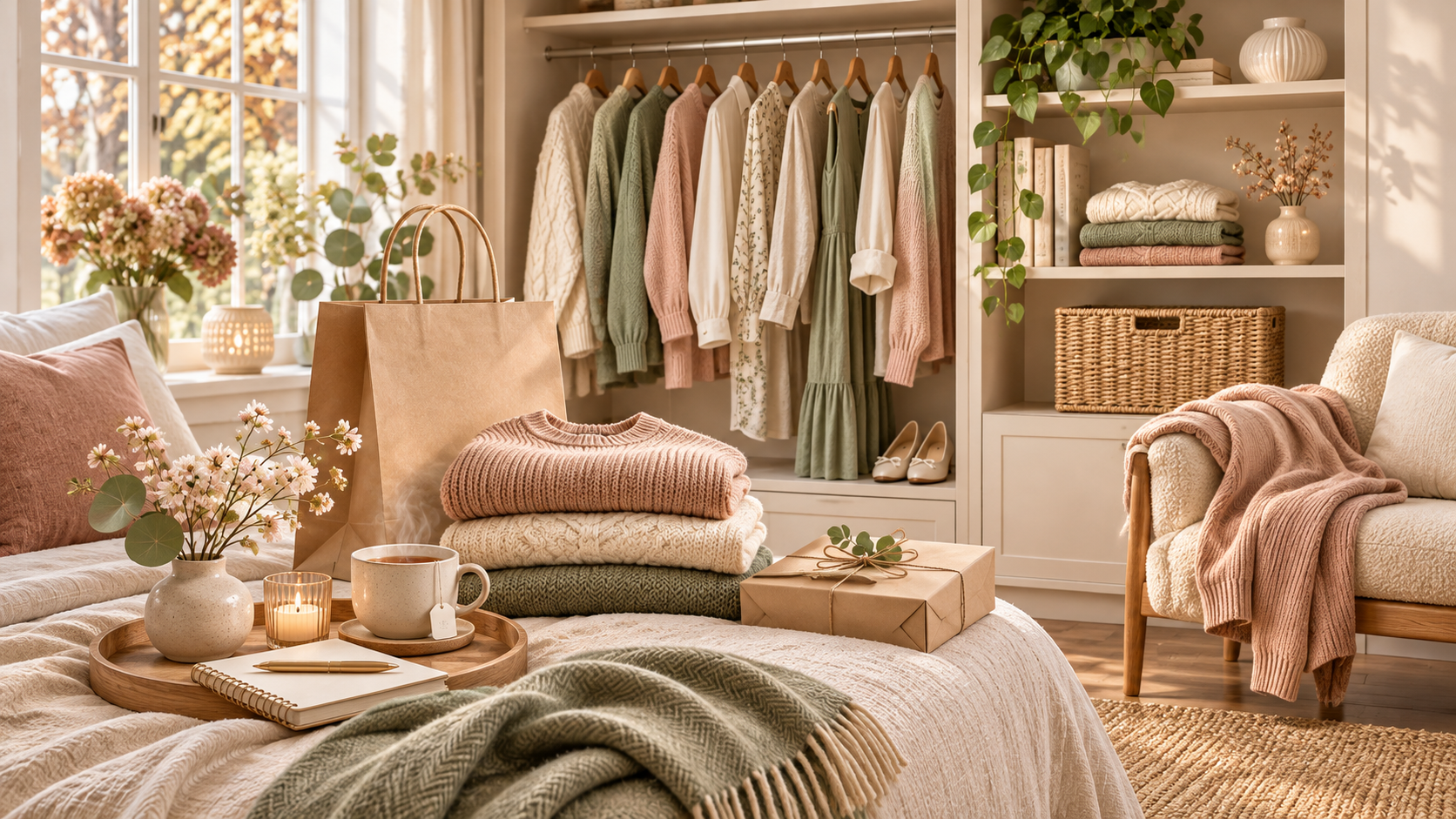
A bargain still takes up space
We've all done it. Bought something with the best of intentions, only to discover that we already own something similar, don't have quite the right place for it, or never get around to using it.
Perhaps it's another kitchen gadget tucked into an already crowded cupboard, a pair of shoes that looked irresistible in the sale, or a dress that's been hanging in the wardrobe with its label still attached.
Or something bought just in case it might come in handy.
Individually, these purchases might seem insignificant. But over time, they can make our homes harder to manage.
And what initially felt like a saving can become another thing to store, clean, move around or eventually decide what to do with.
Five questions worth asking
Before your next purchase, try giving yourself a little pause.
1. Do I already have something that does the same job?
Sometimes a quick look through a cupboard, drawer or wardrobe reveals that we already have exactly what we need. We may simply have forgotten it was there.
2. Would I still want it without the discount?
A good price can make something feel irresistible. But if the reduction is the main reason for buying it, perhaps it's worth thinking again.
3. Where will it live?
Not just whether there's technically enough room, but whether the item has a sensible, accessible place in your home.
If buying it means squeezing something else into an overcrowded cupboard or an already full wardrobe, is it going to make everyday life any easier?
4. Will it genuinely add something to my life?
That might be convenience, enjoyment, comfort or simply making a daily task easier.
If it's clothing, think about whether you'll actually enjoy wearing it. Does it suit your lifestyle? Will it work with things you already own? Or is it destined to become another I'll wear that one day purchase?
Not everything needs to be practical. Beautiful things and little treats have their place too.
The question is whether it's something you'll actually appreciate having.
5. Is there another way?
Could you borrow it, repair something you already own or find a second-hand alternative?
Sometimes there is. Sometimes buying new is absolutely the right choice.
It's simply worth considering.
Try the 24-hour basket pause
If you're shopping online and something catches your eye, try leaving it in your basket for 24 hours before buying it.
There's no need to make an immediate decision just because a discount is flashing on the screen.
Come back the following day and ask yourself whether you still want it quite as much.
Sometimes you will. Sometimes you'll wonder what all the excitement was about!
Of course, this won't work for every purchase, particularly if you genuinely need something urgently. But for those tempting little extras, a pause can make all the difference.
Sometimes the best thing to add to your shopping basket is a little thinking time.
It's not about saying no to everything
Thoughtful shopping isn't about depriving ourselves, feeling guilty or refusing every tempting offer.
It's about making choices that suit our lives, our budgets and the space we have available.
Sometimes that means snapping up a brilliant bargain.
And sometimes it means closing the browser, putting the item back on the shelf and realising we didn't really want it after all.
Both can feel surprisingly satisfying.
Making room for what matters
Creating a calmer home isn't only about deciding what to let go of. It's also about being a little more intentional about what we bring into it.
Because every purchase becomes part of the home we live in.
And a small pause before buying something today might save us another organising decision tomorrow.
At Willow & Home, I help people create spaces that feel calmer, more manageable and better suited to everyday life.
If your cupboards or wardrobes are feeling a little too full, or you're not sure where to begin, I'd love to help.